August 2, 2026
How to Understand and Use the Different Roles of International News Agencies and Local Media Together
International News Agencies and Local Media Play Different Roles
When major news breaks, the first reports often come from international news agencies rather than the websites where people read them. Organizations such as Reuters, the Associated Press (AP), and Agence France-Presse (AFP) collect and verify information before distributing it to newspapers, broadcasters, and digital publishers around the world.
Unlike traditional news outlets, international news agencies primarily serve other media organizations instead of publishing for a single audience. Their role is to deliver accurate, timely reports that can be used by hundreds of subscribing publishers.
Because their reports are written for professional newsrooms, agency stories usually focus on verified facts, official sources, and continuous updates. Local context, analysis, and community impact are often added later by the publishers that use the wire report. This makes international news agencies the foundation of global news distribution rather than the final destination for most readers.
Local Reporting Beyond the Headlines
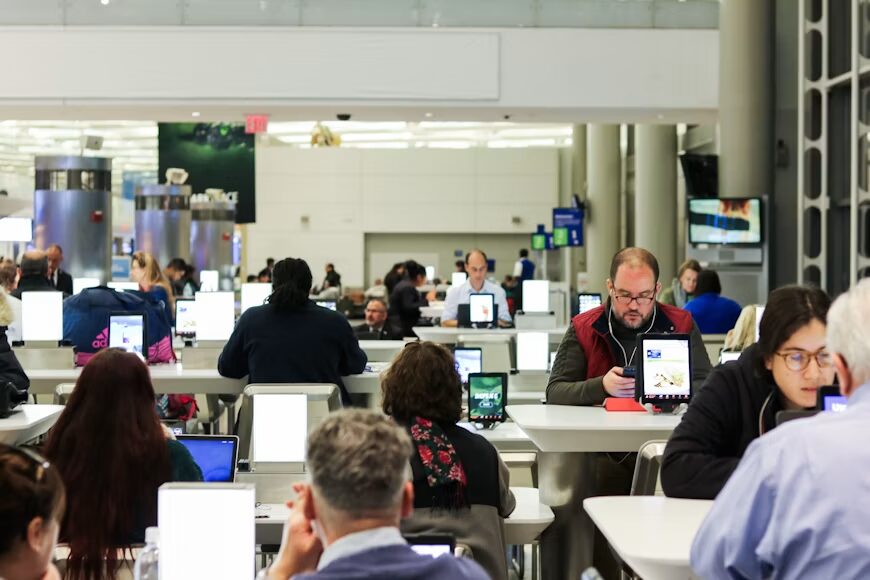
While international news agencies establish the core facts of a story, local media explains what those facts mean for the people living where the event actually happened. This is where local reporting provides value that a global wire service often cannot.
Local journalists usually have a deeper understanding of the communities they cover. They know the history behind ongoing issues, maintain relationships with local officials and residents, and can continue reporting long after international attention has moved elsewhere. This allows them to add context that may not appear in an agency report, such as how a policy affects local businesses, why a protest developed in a particular neighborhood, or how residents are responding to a natural disaster.
Another strength of local media is continuity. International agencies often focus on major developments that matter to a global audience, whereas local newsrooms continue following the story as it evolves. They report on recovery efforts, public meetings, court proceedings, infrastructure repairs, and other developments that directly affect the community.
Rather than replacing international reporting, local journalism complements it. Agency reports provide the verified framework of an event, while local coverage fills in the details that help readers understand its real-world impact.
From Breaking News to Published Stories
When a major event occurs, the first published article is rarely the final version that readers see. News coverage usually moves through several stages before reaching different audiences.
The process often begins with journalists on the ground who gather information, verify details, and submit updates to a news agency or their own newsroom. International news agencies quickly publish a wire report containing the essential facts, allowing subscribing media organizations to report the event without waiting to build a story from scratch.

Editors at newspapers, television stations, and digital news sites then decide how that report should be presented to their audiences. Some publish the wire story with only minor edits, while others add interviews, background information, expert analysis, or reporting from their own journalists. The headline, article structure, and supporting details may change, even though the core facts remain the same.
As the story develops, additional updates continue to flow through the same process. Agencies revise their reports as new information is confirmed, while publishers decide which developments are most relevant to their readers. This is why coverage of a major event often evolves throughout the day rather than remaining a single, fixed article.
One Wire Report, Many Published Articles
Reading the same story on several news websites does not always mean that each organization gathered the information independently. In many cases, multiple publishers are reporting from the same wire service.
When an international news agency distributes a report, subscribing newspapers, broadcasters, and digital publishers can use that material under their licensing agreements. Some outlets publish the report almost unchanged, while others rewrite the headline, shorten the article, or combine it with reporting from their own journalists. Although the presentation may differ, the core information often comes from the same original source.
This is why several articles may appear nearly identical, especially during breaking news. Similar wording, quoted statements, or timelines do not necessarily indicate that different reporters confirmed the same facts independently. They may simply reflect that multiple publishers relied on the same agency report.
For readers, recognizing the original source is more useful than counting how many websites published the story. Looking for the byline, source credit, or agency attribution can reveal whether different articles represent independent reporting or different versions of the same wire report.
Different Readers, Different Editorial Priorities

Even when different news organizations rely on the same verified facts, the final articles may not look or read the same. This difference often reflects the needs of their audiences rather than a disagreement about what happened.
International news agencies write for a wide range of publishers across different countries and industries. Their reports are designed to be broadly relevant, making them suitable for newspapers, broadcasters, financial services, and digital platforms that serve different types of readers. As a result, agency reports usually focus on information that can be understood and reused in many editorial environments.
Local media works with a different objective. Instead of explaining why an event matters to the world, local newsrooms explain why it matters to the people living in a particular city or region. They may give greater attention to community impact, local government responses, transportation changes, school closures, or other developments that directly affect daily life.
Building a More Complete Picture From Multiple Sources
No single source can provide every detail about a complex event. International news agencies and local media are designed to serve different purposes, so reading only one of them often leaves part of the story unexplored.
A practical approach is to begin with an international agency report to understand the verified facts and the broader context surrounding the event. From there, local media can provide additional reporting that explains how the situation is affecting people, businesses, public services, or communities in the area where it occurred. Reading both perspectives makes it easier to separate confirmed information from interpretation while also revealing details that one source alone might not include.
It is equally important to pay attention to where a story originates. Multiple articles with similar wording do not always represent multiple independent investigations. Looking at the source attribution, publication time, and quoted sources can help identify whether different publishers are relying on the same agency report or contributing original reporting of their own.
Developing this habit does not require reading dozens of articles every day. Comparing one international source with one reputable local outlet is often enough to understand both the wider significance of an event and its impact on the people closest to it. Over time, this approach leads to a more balanced and informed understanding of the news.
FAQ
When should local media be prioritized over international coverage?
Local media is often the better source when you want to understand how an event affects a specific city, region, or community. It can provide interviews with local residents, updates from local authorities, and follow-up reporting that international agencies may not include. However, combining local coverage with reporting from an international news agency usually provides the most complete understanding by bringing together verified facts, broader context, and local impact.
Why do many news websites publish nearly identical articles?
Many news organizations subscribe to international news agencies such as Reuters, the Associated Press (AP), or Agence France-Presse (AFP). These agencies distribute licensed wire reports that publishers can use as the foundation for their own coverage. While headlines, layouts, and additional reporting may vary, the core information often comes from the same original source rather than from separate reporting teams.
Can a news article combine agency reports with original reporting?
Yes. This is a common practice in journalism. A newsroom may begin with a wire report from an international news agency and then expand it with interviews, local reporting, expert commentary, or additional research conducted by its own journalists. As a result, one article can contain both agency-supplied information and original reporting produced by the publisher.
International news agencies and local media are not competing versions of the same service. They perform different roles within the news ecosystem, and each contributes information that the other may not provide.
International agencies deliver verified facts quickly and make global news distribution possible, while local media adds context, continuity, and community perspectives that help explain the real-world impact of events. Understanding how these sources work together makes it easier to evaluate news, recognize the origin of published reports, and build a clearer picture of important stories instead of relying on a single perspective.