July 30, 2026
Differences in Catch-Up Availability Between Regional and National Broadcasts
Watching a television program after it has already aired has become an expected part of modern viewing. Whether through a broadcaster’s website, a mobile app, or a licensed streaming platform, many viewers assume that every broadcast will automatically become available as a catch-up replay. In reality, that is not how television distribution works.
One of the most common points of confusion occurs when the same type of program appears to have different catch-up availability depending on whether it was broadcast nationally or through a regional station. A national evening news program may be available within hours, while a locally produced version or regional broadcast may never appear on the same catch-up service. Likewise, two viewers who watched similar programs on different channels may discover that only one of them can replay the episode later.
These differences are rarely caused by technical errors. Instead, they are usually the result of how broadcasters manage replay services, digital distribution rights, licensing agreements, and content availability policies. Understanding these factors makes it easier to know why some broadcasts remain accessible after they air while others disappear once the live transmission ends.
This article explains why catch-up availability differs between national and regional broadcasts, what determines whether a replay becomes available, and what viewers should verify before assuming that a program has been removed.

Catch-Up Availability Depends on the Broadcaster, Not Just Where the Program Aired
When a replay is unavailable, many viewers assume that the program has not been uploaded yet or that the streaming service is experiencing a technical problem. In reality, replay availability is usually determined by the broadcaster, not simply by the fact that the program has already aired.
Catch-up TV is not a standard feature that automatically applies to every broadcast. Each broadcaster decides which programs will be available on demand, where those programs will be published, how long they will remain accessible, and whether any geographic or account restrictions will apply. As a result, two broadcasters airing similar types of content can operate very different catch-up services.
This difference is most noticeable when comparing national and regional broadcasters. National networks often manage their catch-up libraries through centralized platforms with consistent publishing schedules and content policies. Regional broadcasters, however, may follow their own replay policies or distribute content through different platforms, leading to variations in when—or even whether—a program becomes available after it airs.
It is also important to understand that the right to broadcast a program live is not always the same as the right to provide it as on-demand content. A broadcaster may have permission to air a program on television without having the rights to include it in its catch-up service, or it may only be allowed to offer the replay for a limited period.
For this reason, a missing replay does not necessarily mean that something has gone wrong. In many cases, it simply reflects the broadcaster’s catch-up policy and the rights governing how that program can be distributed after the live broadcast ends.
How National and Regional Broadcasters Handle Catch-Up Differently
The biggest difference between national and regional broadcasters is not the programs they air, but how they manage those programs after the live broadcast ends. While both may offer catch-up services, the availability, timing, and delivery of replay content often follow different approaches.
National broadcasters
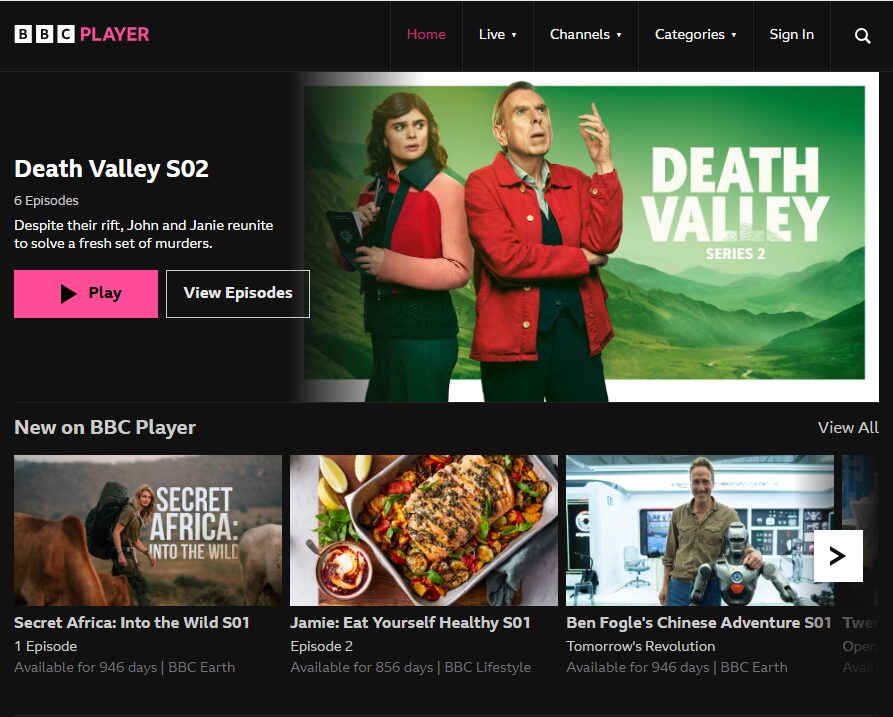
National broadcasters typically operate a centralized catch-up service that covers most of their television channels and original programming. Because replay content is managed through a single platform or content management system, viewers usually experience a more consistent service.
Once a program finishes airing, it may be processed and published according to a standard schedule. Whether viewers access the broadcaster’s website, mobile app, or an authorized streaming partner, the replay is often available through the same ecosystem. This consistency also makes it easier for viewers to understand where programs are available and how long they are likely to remain on demand.
National broadcasters are also more likely to maintain uniform policies for replay windows. For example, many programs remain available for a fixed number of days, although the exact period varies depending on the broadcaster, the type of content, and the associated rights agreements.
Regional broadcasters
Regional broadcasters often operate under different conditions. Some produce their own local programming, while others combine national network content with regional news, sports, or community-based broadcasts. Because of this, their catch-up services may not always follow the same structure as those of national broadcasters.
In some cases, a regional broadcaster provides its own replay platform. In others, only selected programs are shared with a national catch-up service, while locally produced content remains available exclusively through regional channels—or is not offered for replay at all.
Replay schedules may also vary. Instead of following a standardized publication process, regional broadcasters may release content based on their own editorial priorities, available resources, or agreements with content owners. As a result, viewers may notice that similar programs become available at different times, appear on different platforms, or have different replay periods depending on which broadcaster originally aired them.
What Actually Determines Whether a Program Gets a Catch-Up Replay
Not every television program automatically becomes available for catch-up viewing after it airs. Even when two programs are broadcast on the same day, one may appear on an on-demand service within hours while the other never receives a replay. This difference is usually the result of several decisions made before and after the broadcast rather than the broadcast itself.
One of the most important factors is whether the broadcaster has the necessary rights to offer the program as on-demand content. Broadcasting a program live and making it available later through a catch-up service are often treated as separate rights. A broadcaster may be authorized to transmit a program on television without having permission to distribute it afterward through a website, mobile app, or streaming platform.
The broadcaster’s own replay policy also plays an important role. Some broadcasters aim to make most of their original programming available after broadcast, while others only publish selected content. Certain programs may remain available for several weeks, whereas others are removed after only a few days or are never included in the catch-up library.
The type of program can also influence replay availability. News bulletins, live sports, entertainment shows, documentaries, and acquired television series may each follow different replay policies depending on editorial decisions and content agreements. As a result, viewers should not expect every category of programming to remain available for the same length of time.
Finally, distribution agreements determine where replay content can be watched. Some broadcasters publish catch-up content exclusively on their own platforms, while others also license selected programs to partner streaming services. This means a replay that is unavailable on one platform may still be available through another authorized service.
Rather than relying on a single rule, catch-up availability is shaped by a combination of content rights, broadcaster policies, distribution agreements, and the nature of the program itself.

The Same Program Can Have Different Catch-Up Availability
Many viewers assume that if two people watched the same television program, they should also have access to the same replay afterward. In practice, that is not always the case. The availability of a catch-up replay can differ even when the original broadcast appears identical.
One common reason is that the program may have been distributed through different broadcasters. A national network and a regional affiliate can carry the same event or series while managing their catch-up services independently.
The platform used to watch television can also affect replay availability. Some broadcasters make catch-up content available only through their own websites or mobile applications, while others license selected programs to streaming partners. Because each platform operates under its own agreements, a replay available on one service may not appear on another.
Replay windows are another source of variation. One broadcaster may keep a program available for several weeks, while another removes it after only a few days. As a result, two viewers searching for the same episode at different times may have completely different experiences, even if they watched the original broadcast together.
Regional restrictions can also influence availability. Some catch-up services only provide access within specific countries or broadcasting areas. A replay that is accessible in one region may not appear for viewers in another, even when they use the same broadcaster’s platform.
For these reasons, the absence of a replay does not necessarily mean that the program was never published. In many cases, the replay is simply governed by a different broadcaster, platform, availability period, or regional policy than the viewer expected.
What to Check Before Assuming a Replay Is Missing
Start by confirming which broadcaster originally aired the program. If the content was broadcast through a regional station, the replay may be available on that station’s own website or app rather than on the national broadcaster’s catch-up service. Looking at the original channel or broadcaster is often the quickest way to identify where replay content is published.
Next, consider whether the program is still within its replay window. Catch-up services are designed to provide temporary access rather than permanent archives, so programs are frequently removed after a set period. If you search several days or weeks after the broadcast, the replay may have already expired under the broadcaster’s content policy.
It is also worth checking whether another authorized platform carries the program. Some broadcasters make selected content available through streaming partners instead of hosting every replay on their own services. Searching only one platform may therefore give the impression that a replay does not exist when it is actually available elsewhere.
Finally, remember that replay availability can vary by region. If a broadcaster limits catch-up access to a particular country or broadcast area, viewers outside that region may see different results even when searching for the same program.
The availability of catch-up television depends on much more than whether a program has already aired. Although national and regional broadcasters may transmit similar content, they often manage replay services differently, resulting in variations in where, when, and how long programs remain available.
Broadcaster policies, digital distribution rights, replay windows, and platform agreements all influence whether a program becomes available after its live broadcast. For this reason, the same program can have different catch-up availability depending on who broadcast it and how that broadcaster manages its on-demand content.
Understanding these differences helps set realistic expectations when searching for replay content. Instead of assuming that a missing replay indicates a technical issue, viewers can make better use of official catch-up services by considering the broadcaster, the platform, and the policies that govern post-broadcast availability.